

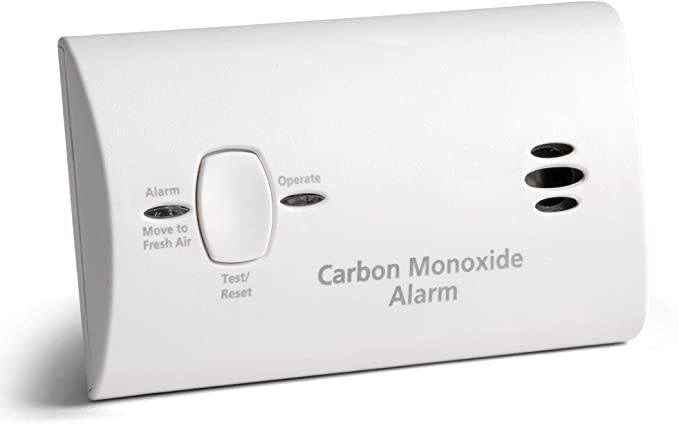

Each year more than 100,000 people visit the emergency room, thousands are hospitalized, and more than 400 die due to unintentional carbon monoxide poisoning. The vast majority of these deaths and injuries could be prevented with proper education and a working carbon monoxide detector in the home.
What is Carbon Monoxide?
Carbon monoxide, or CO, is a toxic gas with no smell or taste. It can cause permanent brain damage or death when inhaled and is undetectable without a carbon monoxide detector.
Symptoms of Carbon Monoxide Poisoning
Children and the elderly are particularly vulnerable to carbon monoxide poisoning, although anyone can be affected. Early symptoms include headache, dizziness, sleepiness, and nausea. As CO poisoning progresses, it can cause convulsions, delirium, and increased heart rate. Prolonged and excessive exposure without relief inevitably causes death. Those who have been exposed and survive are at risk for permanent brain, neurological, and cardiovascular damage.
How Carbon Monoxide Enters the Home
Carbon monoxide is produced whenever a material burns. The most common unintended exposure occurs in homes with fuel-burning appliances and those with attached garages. Appliances and devices like furnaces or boilers, wood and gas fireplaces, gas ranges and stoves, motor vehicles, grills and other lawn equipment, generators, and gas dryers are some of the culprits.
How to Prevent Carbon Monoxide in Your Home
- Ensure your appliances are properly vented and well maintained, and make sure rooms are ventilated when using fuel-burning appliances. Have appliances inspected annually to confirm they are in good condition. Never use outdoor appliances like grills and heaters indoors.
- Pay attention to signs that something may be wrong with a fuel-burning appliance or venting system. Things like brownish-yellow stains around an appliance, soot or smoke buildup, or back-drafting from a chimney can all indicate a problem. You can’t rely on odor to detect it, which is why having working detectors in your home is so important.
- Know the symptoms of CO poisoning and don’t ignore early signs like headache, dizziness, and nausea. If you suspect you or a family member may be experiencing symptoms, leave the home immediately and seek medical care.
- Install carbon monoxide detectors in your home, ensure they are properly powered, and test them regularly. Detectors are available at hardware stores for around $30. They should be placed on each level of your home and outside sleeping areas. And even if you only have a small single-level home, install at least two detectors in case one of them is defective or stops working. Replace detectors every five to seven years.
- Carbon monoxide safety is an important part of maintaining a safe and well-prepared home, whether you’re living in it or getting ready to sell. Too many people suffer from CO poisoning when it is completely preventable. If you don’t have carbon monoxide detectors in your home, get them today. If you have them, test them right away. We want you to be around and healthy for decades to come!
If you have questions about your home or future plans, feel free to reach out anytime at (208) 327-2127.