
Having reviewed hundreds and hundreds of home inspection reports over nearly 19 years as a realtor, I’ve learned the most common issues that come up during the home inspection process.
A home inspection is typically requested by a prospective home buyer after they get under contract on a home purchase. The buyer hires a professional to go through the home and provide a report on its condition. The inspector generally checks all major systems including the roof, exterior, heating and cooling systems, doors and windows, built-in appliances, electrical and plumbing systems, the attic, basement, crawl spaces, and insulation.
It’s important to remember that a home inspection is designed to save a buyer thousands or tens of thousands of dollars,not hundreds of dollars. So we counsel our buyer clients to focus on items of health, safety, and structure, or anything they couldn’t have known about when they made their offer, that would’ve caused them to make a significantly different one. The goal is not to have the seller fix everything that’s wrong with a 20-, 30-, or 100-year-old home. Most people we work with are buying a ‘used’ or ‘pre-owned’ home and it won’t be perfect!
However, when we receive a report following a home inspection, we review it thoroughly and break the items found into three categories: Majorish, minorish, and in-the-middle. ‘Minorish’ includes all the small, ‘honey-do’, less-expensive items that are common with all homes that aren’t brand-new. ‘In-the-middle’ are things that may or may not be important to this particular buyer, depending on their experience, knowledge, or ability to make repairs themselves. And ‘majorish’ doesn’t necessarily mean there is something major wrong with the home, it could be that it’s something that’s typical or customary to request.
So what are the ‘majorish’ items that we often see? Well, the expensive ones are things like mold, water intrusion, roof issues, and major plumbing and electrical issues. And sometimes a lot of minor things can add up to something ‘majorish’.
Remember, whether you’re a buyer or a seller, all problems are solvable. It’s just a matter of how much time and money it’s going to take to fix the issue and who is going to be responsible for it.
If you’re a seller and you want to prevent issues from coming up during your transaction, you’ll want to have someone check the following:
Attic
- Is the insulation up to code? Inadequate, tamped-down, or missing attic insulation is a common issue, particularly in older homes.
- Are all fans vented through the roof to the exterior of your home? Roofers are infamous for failing to reconnect these vent fan ducts and leaving moist air to blow into the attic.
- Is there mold? Warm, moist air from the disconnected ducts or a leaky roof combined with darkness makes for the perfect environment for ‘microbial growth’ or mold. This is one of the more-expensive items to remediate.
Crawl space
- Is there any water in the crawl space? The two most-common causes of water in the crawl space are poor or missing gutters and oversprinkling. Other causes can be plumbing leaks and, occasionally, a high water table. The solutions for the first three are obvious. Remediating a problem with a high water table tends to involve interior perimeter drainage systems. Usually if this is an issue, your neighbors will have experienced this also so as a seller you likely already know about it.
- Is there a vapor barrier covering all the soil? Soil is naturally moist and that moisture dissipates into the air. Vapor barrier is plastic put down in overlapping sheets on your crawl space floor to ensure the moisture from the soil stays under the barrier and doesn’t cause mold to grow on your subfloor and floor joists.
- Is there debris in the crawl space? Wood scraps, old cardboard, cans and bottles, and even sometimes dead creatures have all been found in homes we’ve had inspected. Besides just being unsanitary, these items can attract insects that can do damage to your structure.
- Are there any plumbing leaks? Leaks can either be in your supply lines or the waste lines. Supply lines bring water into your house, while waste lines take the … um … waste away. Leaks in either are not good, leaks in waste lines are just gross.
Roof
- How old is the roof? Composition shingles typically last 20-25 years, depending on the quality of the material. If your roof is reaching the end of its life, you will likely want to replace it prior to listing your house for sale. Generally inspectors and roofers like to see 3-5 years of life expectancy remaining on a roof in order to consider it sound. Most buyers, who are already forking out considerable money for their down payment and closing costs, usually can’t also afford to buy a new roof right away. And like with most flaws, buyers think a roof costs a lot more than it usually does.
Paint and Siding
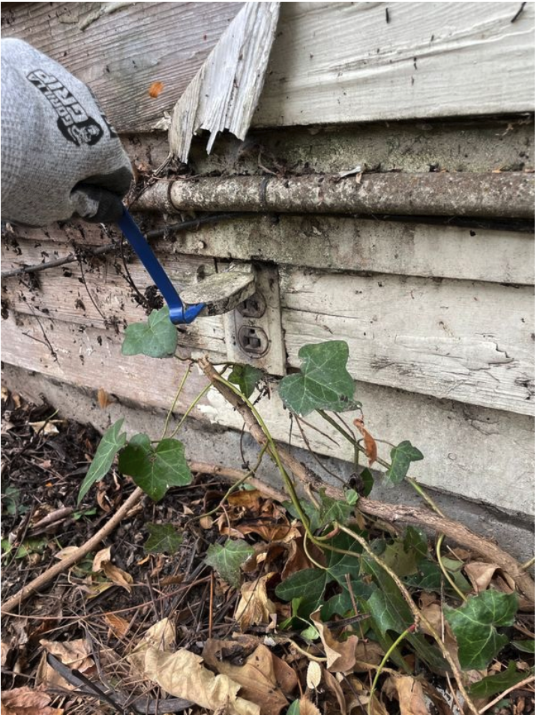
- When was your house last repainted? Faded, peeling, and chipping paint is not only unattractive, causing your house to look unmaintained, it can also contain lead if your house was built prior to 1978. This is not only a concern for buyers, but some types of financing don’t allow a buyer to purchase a home with peeling or chipped paint. Damaged or improperly installed siding is also a concern for buyers.
HVAC System
- How old is your furnace and AC unit? Do they work well? When was the last time you had them serviced? Generally home inspectors like to see that the homeowner has had the system serviced within the last 12 months. If you haven’t done it recently and/or your system is older, call a reputable company and have them service your system before you list your house.
While there are many more items that come up in home inspections, these are the most-common ‘majorish’ items inspectors point out and buyers often request. If you’re considering selling your home, have someone take a look at these items to make sure the big stuff — things a buyer would consider ‘deal-killers’ — are taken care of in advance. You won’t regret it!